


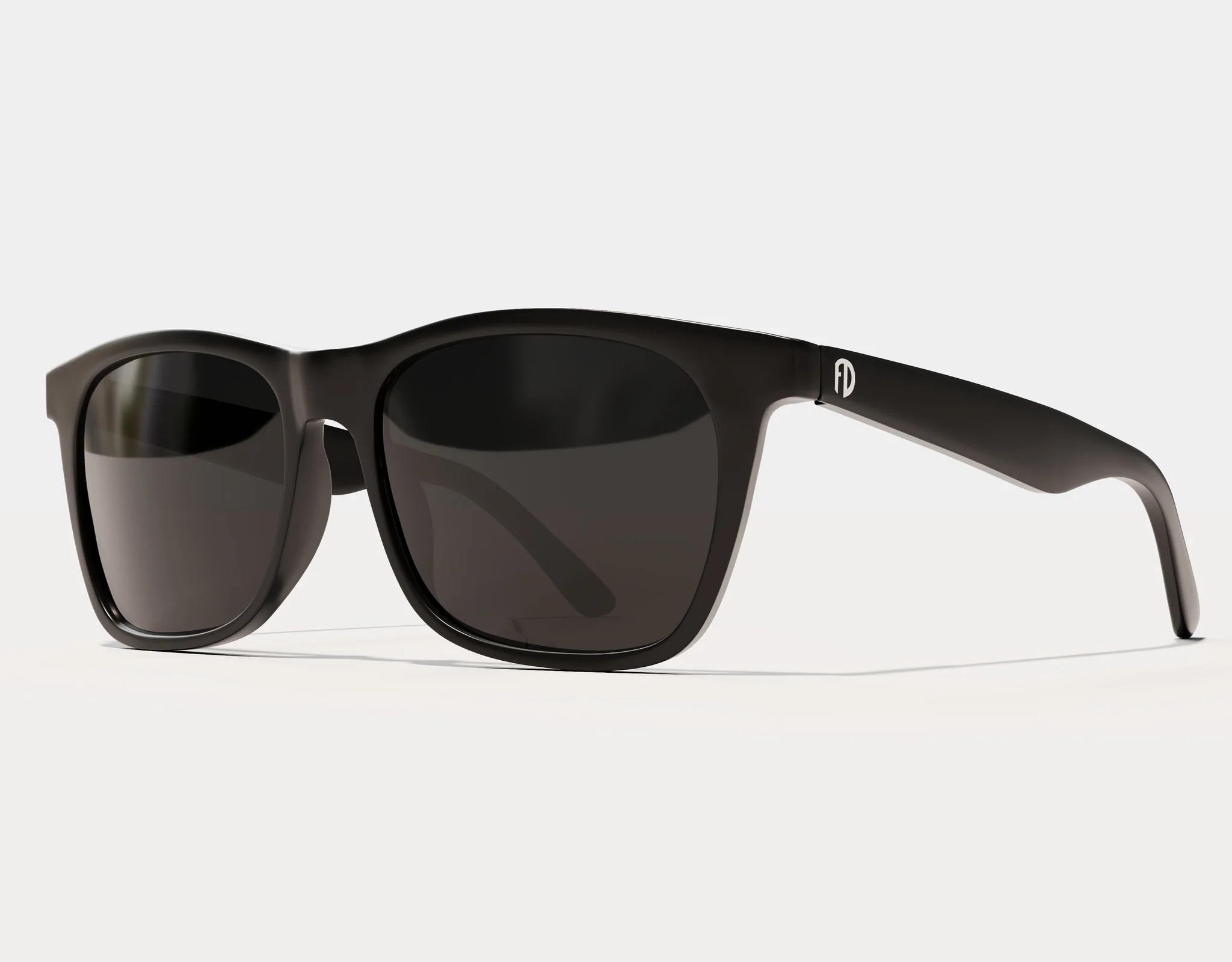
Finding the perfect pair of sunglasses often seems simple until comfort and fit become daily frustrations. While style, lens quality, and brand reputation tend to dominate buying decisions, one factor frequently gets overlooked: head size. For individuals with broader facial features or larger head measurements, standard eyewear can create discomfort, pressure points, and an overall poor wearing experience.
The good news is that properly fitted sunglasses can dramatically improve both comfort and appearance. Understanding what makes a great fit can help shoppers make smarter choices and enjoy their eyewear for years to come.
The Hidden Problem with One-Size-Fits-Most Frames
Many sunglasses are designed around average sizing standards. While this works for a large portion of consumers, it leaves others struggling with frames that simply do not fit correctly.
Common issues include:
- Temples that pinch the sides of the head
- Frames that sit too tightly across the face
- Nose bridges that create excessive pressure
- Distorted frame shapes caused by overstretching
- Headaches after extended wear
- Reduced durability due to constant stress on hinges
These problems may seem minor at first, but they can significantly affect comfort during driving, outdoor activities, travel, and everyday use.
A proper fit allows sunglasses to remain secure without excessive pressure, creating a much more enjoyable experience throughout the day.
How Frame Width Impacts Comfort
One of the most important measurements in eyewear is frame width. This determines how well sunglasses align with the natural proportions of the face.
When frames are too narrow, they can pull outward at the temples and create an unnatural appearance. Besides being uncomfortable, this can also place strain on the hinges, increasing the likelihood of breakage.
Wider frames provide better balance for individuals with larger head sizes. They distribute pressure more evenly and maintain the intended shape of the sunglasses. As a result, wearers experience greater comfort and a more flattering look.
Choosing frames that complement facial proportions rather than forcing a standard size often makes the biggest difference in long-term satisfaction.
Style and Function Can Work Together
There is a common misconception that larger eyewear options sacrifice style for practicality. In reality, modern frame manufacturers have expanded their offerings to accommodate a wide range of face shapes and sizes.
Today’s consumers can find:
Classic Designs
Timeless shapes such as aviators, wayfarers, and rectangular frames remain popular because they work across many face types while maintaining a sophisticated appearance.
Sport-Oriented Frames
Active individuals often prefer wraparound designs that provide enhanced coverage and stability during outdoor activities.
Fashion-Forward Options
Bold silhouettes, oversized lenses, and contemporary styling allow wearers to express personality without compromising comfort.
For those searching specifically for well-designedsunglasses for big heads, selecting frames built with larger proportions in mind can help eliminate many of the common frustrations associated with standard sizing.
Why Proper Fit Improves Eye Protection
Comfort is only one part of the equation. Properly fitted sunglasses can also enhance protection from environmental factors.
When sunglasses fit correctly, they are more likely to:
- Stay in position throughout the day
- Reduce unwanted light entering from the sides
- Provide more consistent UV protection
- Improve visual clarity during outdoor activities
- Enhance overall performance during sports and recreation
Sunglasses that constantly slide down the nose or feel uncomfortable are often removed frequently, reducing their effectiveness. A comfortable fit encourages regular wear, helping users benefit from the protection their lenses are designed to provide.
Key Features to Look For
When evaluating sunglasses for a larger head size, several features deserve attention.
Flexible Temple Arms
Frames with flexible temples accommodate different head widths more comfortably while reducing pressure on sensitive areas.
Durable Hinges
Strong hinges help maintain frame integrity even with frequent use and wider fitting requirements.
Lightweight Materials
Materials such as TR90 and other modern composites provide strength without excessive weight, making extended wear more comfortable.
Balanced Lens Proportions
Lenses should complement the overall frame dimensions. Oversized frames paired with appropriately sized lenses often create a more harmonious look.
Secure Nose Support
A well-designed bridge helps distribute weight evenly and prevents constant slipping.
Paying attention to these details can dramatically improve both comfort and durability.
The Confidence Factor
Comfortable eyewear affects more than physical well-being. It also influences confidence.
When sunglasses fit properly, people spend less time adjusting them and more time enjoying their activities. A balanced fit enhances facial proportions and creates a polished appearance that feels natural rather than forced.
Confidence often comes from eliminating distractions. Whether attending an outdoor event, driving on a sunny day, relaxing at the beach, or participating in sports, well-fitting sunglasses allow wearers to focus on the experience rather than the discomfort of their eyewear.
Conclusion
The right sunglasses should do more than look good. They should feel comfortable, provide reliable protection, and complement the wearer’s unique features. For individuals with broader facial dimensions, finding frames designed with larger proportions can transform the entire eyewear experience.
Rather than settling for frames that pinch, stretch, or constantly require adjustment, shoppers can benefit from exploring options specifically engineered for a better fit. By prioritizing comfort, durability, and proper sizing, it becomes much easier to find sunglasses that perform well while looking great in any setting.
