


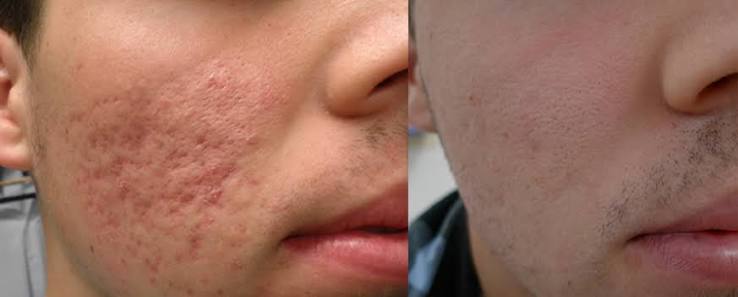
Scar removal is not a one-treatment-fits-all process. Two people can have scars that look similar but respond very differently to the same procedure because skin tone, oil production, sensitivity, thickness, and healing tendencies all influence treatment selection.
This is especially important with acne scars, surgical marks, and areas of uneven texture. A treatment that stimulates collagen effectively in one client may create unnecessary irritation or pigmentation in another. That is why a professional skin assessment should come before choosing laser resurfacing, microneedling, chemical exfoliation, or another corrective procedure.
Understanding your skin type helps reduce risk, improve recovery, and create a treatment plan that is actually suited to the way your skin behaves.
Skin Tone Influences Pigmentation Risk
One of the most important considerations in scar treatment is how easily the skin produces pigment after inflammation.
Clients with medium to deeper skin tones may be more prone to post-inflammatory hyperpigmentation. This means the skin can develop dark marks after irritation, heat, injury, or an overly aggressive treatment. In scar correction, that risk must be taken seriously.
Certain laser wavelengths and resurfacing procedures generate significant heat within the skin. When treatment settings are too intense or poorly matched to the client’s complexion, pigmentation changes can become more noticeable than the original scar.
For this reason, professionals may select gentler energy levels, longer treatment intervals, or procedures with a lower risk of thermal injury. Preparation with pigment-supportive skincare may also be recommended before certain procedures.
The goal is improvement without trading texture concerns for discoloration.
Oily and Acne-Prone Skin Requires Careful Timing
Scar correction can become more complicated when active acne is still present.
Oily skin itself is not a reason to avoid scar treatment, but ongoing inflammation changes the approach. Performing aggressive resurfacing while new blemishes continue to develop can create unnecessary irritation and may increase the likelihood of additional marks.
A professional may first focus on reducing congestion, calming inflamed areas, and improving the skin’s overall stability before concentrating heavily on older scars.
Microneedling, laser therapy, and chemical treatments may still be appropriate, but timing matters. Treating active inflammatory acne and old acne damage simultaneously requires careful control of intensity.
It is often more productive to stabilize repeated breakouts first rather than constantly repairing yesterday’s scars while new ones are still arriving uninvited.
Sensitive Skin Needs Controlled Stimulation
Sensitive or reactive skin can still benefit from professional scar treatments, but the margin for over-treatment is smaller.
Clients who flush easily, react strongly to products, or experience prolonged redness after minor irritation may require conservative treatment settings. Their skin barrier may also need additional support before a corrective procedure begins.
For these clients, controlled collagen stimulation is generally more important than aggressive resurfacing.
Lower-intensity microneedling, carefully selected laser parameters, or superficial chemical treatments may be introduced gradually. The professional should observe how the skin responds before increasing treatment strength.
Spacing appointments appropriately is equally important. Sensitive skin may need more recovery time between sessions, particularly when redness or dryness persists longer than expected.
Dry or Dehydrated Skin May Need Barrier Support First
Dryness and dehydration can affect both treatment comfort and recovery.
When the skin barrier is compromised, it may react more strongly to exfoliation, heat, or controlled injury. This can result in prolonged tightness, flaking, sensitivity, or slower healing.
Before scar-focused procedures, an aesthetician may recommend improving hydration and barrier function for several weeks. This can involve gentler cleansing, lipid-supportive moisturizers, and temporarily reducing strong exfoliating ingredients.
This preparation does not remove the scar itself, but it creates better conditions for the skin to recover after treatment.
A stronger barrier also allows professionals to work more precisely. Instead of spending the recovery period managing excessive irritation, the skin can focus more efficiently on repair and collagen remodeling.
Scar Type Matters Alongside Skin Type
Skin characteristics are only part of the decision. The structure of the scar also determines which procedure is most appropriate.
Shallow rolling scars, narrow depressions, broad textural irregularities, and raised scars behave differently. Some respond well to collagen-stimulating procedures, while others may require a more targeted technique.
Microneedling can be useful for certain depressed scars because it encourages controlled dermal repair. Fractional laser procedures may help improve texture by stimulating renewal at specific depths. Chemical resurfacing may be more suitable when mild textural irregularity and pigmentation occur together.
Raised scars, however, require a different approach because the issue involves excess tissue rather than a lack of collagen support.
This is why choosing a treatment based solely on a social media before-and-after photo is risky. A scar may look familiar on the surface while behaving very differently underneath.
Recovery Capacity Should Guide Treatment Intensity
The strongest procedure is not always the best procedure.
A professional aesthetician considers how quickly the skin heals, whether the client tends to develop prolonged redness, and how much downtime is realistic. These details help determine treatment depth and session spacing.
Someone who heals slowly may benefit from a gradual treatment series rather than a high-intensity procedure performed all at once. Likewise, clients with pigmentation concerns may achieve better long-term results from several controlled sessions instead of one aggressive resurfacing treatment.
Previous procedures also provide valuable information. If the skin reacted poorly to strong peels, lasers, or exfoliating treatments in the past, that history should influence future planning.
Treatment should be progressive enough to stimulate improvement without repeatedly overwhelming the skin.
Choose Scar Treatment Based on Your Skin, Not Trends
Effective scar removal begins with understanding how your skin responds to heat, inflammation, exfoliation, and controlled injury. Skin tone, sensitivity, oil production, barrier strength, scar structure, and healing history all influence which procedures are likely to provide the safest and most useful results.
Laser resurfacing, microneedling, and professional chemical treatments can all play a role in improving scars, but the correct choice depends on individual skin characteristics rather than whichever treatment happens to be trending.
Clients considering professional scar correction should begin with a detailed assessment of both the scar and the surrounding skin. To learn more about available aesthetic treatment options and professional skin care approaches,click to find out more.
A personalized treatment plan can help improve texture gradually while reducing unnecessary irritation, pigmentation changes, and downtime. If scarring is affecting the appearance or smoothness of your skin, schedule a professional consultation and choose a procedure based on how your skin actually behaves, not just how the scar looks.
