


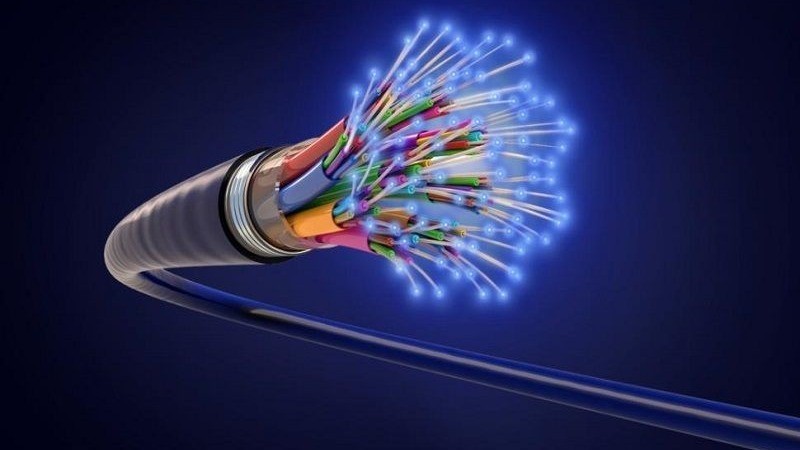
In the rapidly advancing landscape of audiovisual technology, video fiber optic solutions have emerged as essential elements in modern media production. Renowned for their unmatched speed, clarity, and flexibility, these technologies are being championed by companies such as MultiDyne. Their innovation in integrating fiber optic technology into professional media production is not merely a trend; it is a transformative movement that enhances how industries engage with and deliver audiovisual experiences.
Understanding Video Fiber Optic Technology
At the foundation of video fiber optic technology is its capacity to transmit data using light, allowing audio and video signals to traverse extensive distances without compromising quality. This remarkable capability is particularly crucial as industry demands shift towards higher resolutions and enhanced content quality. The role of fiber optics in providing superior audiovisual performance cannot be overstated. In environments ranging from broadcasting studios to film sets, the seamless delivery of high-quality media outputs facilitated by fiber optic technology has become indispensable.
Enhancing Broadcasting and Film Production with Fiber Optics
In professional studios where clarity and precision are paramount, the dependability of video fiber optic solutions is invaluable. MultiDyne has meticulously crafted its products specifically for the broadcasting and film sectors, empowering professionals to execute flawless live broadcasts and high-definition recordings that necessitate rapid data processing. The advancements afforded by fiber optics significantly optimize overall production quality, setting new benchmarks in visual storytelling amidst an increasingly competitive marketplace.
Implementing a single fiber optic cable to manage a multitude of audio and video channels dramatically simplifies the complexity of studio configurations. This simplification contributes to a more efficient workflow, which is essential for high-pressure production environments. The robust characteristics of fiber optics mitigate the risk of signal degradation or interference, a critical advantage during live events and demanding production scenarios. These enhancements not only bolster reliability but also ensure real-time delivery of superior audio-visual content, where precision is of utmost importance.
A Versatile Technology for Diverse Applications
One of the most appealing attributes of video fiber optic technology is its versatility. It accommodates high-speed streaming services, facilitates intricate multi-camera shoots, and enriches virtual reality experiences, highlighting its adaptability across various professional sectors. The multifaceted applications of fiber optic solutions are driving considerable progress in audiovisual technology, affirming their significance in contemporary industry practices.
Companies like MultiDyne are at the forefront of pioneering innovations that tackle existing challenges while strategically preparing professionals for future advancements. By embracing fiber optic technology, content creators can remain competitive and responsive to the evolving demands of media delivery and audience engagement. This adaptability is crucial in a time when content consumption habits are rapidly transforming.
Adopting the Evolution of Video Fiber Optics
As we navigate an era characterized by heightened digital connectivity and an increasing emphasis on high-definition content, the significance of video fiber optic technology in professional production is undeniable. With leaders like MultiDyne spearheading this technological evolution, industry professionals gain access to customized solutions tailored to their specific production needs. This access allows them to optimize studio functionality and elevate the quality of their creative output.
In conclusion, the potential of video fiber optic technology to revolutionize professional audiovisual experiences is immense. By harnessing the extraordinary capabilities provided by this technology, professionals can refine their production processes and enhance their interactions with media. The integration of video fiber optics is not just a technical upgrade; it is a significant leap toward pushing the boundaries of what is achievable in visual storytelling. As the audiovisual industry continues to evolve, the innovations driven by video fiber optics will undoubtedly lead to new frontiers in creativity and audience engagement.
