


Depression can affect mood, energy, concentration, sleep, motivation, and everyday functioning. While many people benefit from antidepressants and psychotherapy, some continue to experience significant symptoms despite trying conventional treatment.
For eligible patients in this situation, TMS therapy for depression may be an option worth discussing with a qualified psychiatric provider. Transcranial Magnetic Stimulation uses targeted magnetic pulses to stimulate specific areas of the brain associated with mood regulation.
Understanding the relationship between TMS therapy and brain stimulation can help patients better understand this treatment approach and what to expect.
What Is TMS Therapy?
TMS therapy, or Transcranial Magnetic Stimulation, is a non-invasive treatment that uses magnetic pulses to stimulate nerve cells in targeted regions of the brain.
Unlike traditional antidepressants, TMS does not require medication to circulate throughout the body. Treatment is typically performed in an outpatient setting, and patients remain awake during sessions.
TMS is commonly considered for adults with major depressive disorder, particularly when previous treatment has not produced adequate improvement.
How Does Brain Stimulation Work?
The brain contains networks responsible for different functions, including mood, attention, motivation, and emotional processing. Depression can be associated with changes in activity and communication within certain brain networks.
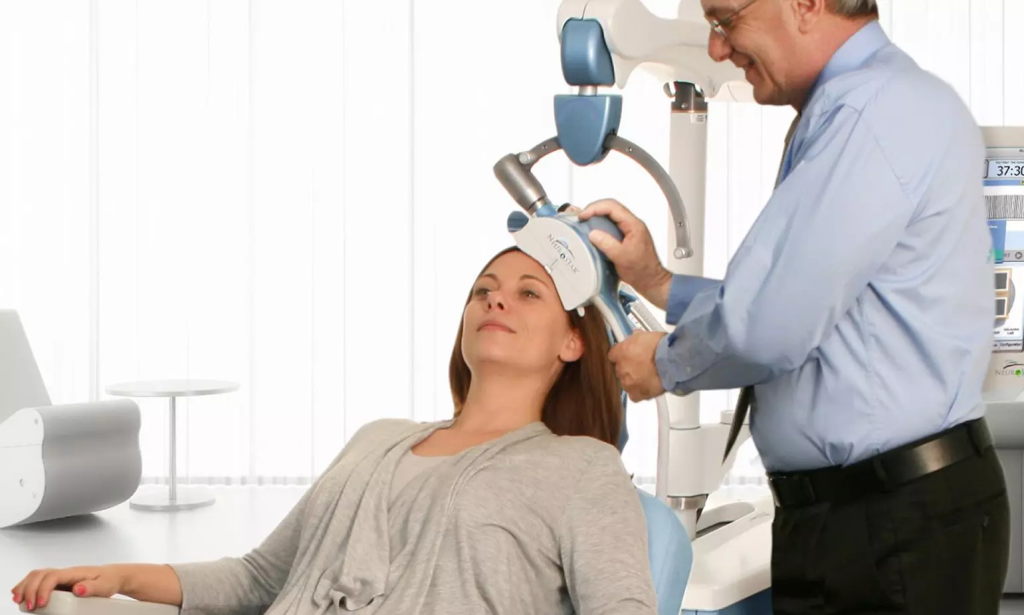
TMS uses a magnetic coil positioned against the scalp to deliver controlled magnetic pulses to a targeted area.
These pulses stimulate nerve cells in the treatment region. Repeated sessions are used to influence activity within neural circuits associated with mood regulation.
The treatment does not involve surgery or placing a device inside the brain.
Why Is TMS Used for Depression?
Traditional depression treatment can include psychotherapy, antidepressant medication, or a combination of approaches. However, not every patient responds sufficiently to these treatments.
When depression symptoms persist despite previous treatment attempts, a psychiatrist may consider other evidence-based options.
TMS therapy for depression may be appropriate for certain adults who have not achieved adequate improvement with antidepressants.
A provider may review:
- Previous antidepressant medications
- Response to previous treatment
- Current depression symptoms
- Duration and severity of symptoms
- Medical history
- Current medications
- Individual treatment goals
A complete evaluation is necessary before treatment begins.
What Happens During TMS Therapy?
The treatment process begins with an evaluation to determine whether TMS is appropriate.
During a typical session, the patient sits comfortably while a magnetic coil is positioned against the scalp. The device then delivers a series of magnetic pulses to the targeted brain region.
Patients remain awake and can communicate with the treatment team throughout the appointment.
Because TMS is non-invasive and does not generally require sedation, patients can typically leave after their session and continue with their normal activities.
How Long Does TMS Treatment Take?
TMS is usually delivered through a series of treatment sessions rather than a single appointment.
The frequency and duration of treatment depend on the protocol being used and the patient’s individual circumstances. Many patients attend multiple sessions each week over several weeks.
Following the recommended treatment schedule is important because TMS relies on repeated stimulation over time.
A qualified provider can explain the expected number of sessions and treatment schedule during the initial evaluation.
Potential Benefits of TMS Therapy
For appropriately selected patients, TMS offers several potential advantages.
Non-Invasive Brain Stimulation
TMS stimulates targeted areas of the brain without surgery or implanted devices.
No General Anesthesia
Patients remain awake during treatment, so general anesthesia is not required.
Outpatient Treatment
TMS is generally performed in an outpatient setting, making it possible for many patients to maintain their regular routines.
Targeted Approach
Magnetic stimulation is directed toward specific brain regions involved in mood regulation.
An Option After Antidepressants
For people who have not experienced sufficient improvement with conventional antidepressants, TMS may provide another treatment approach to discuss with a psychiatric professional.
What Are the Possible Side Effects?
TMS is generally well tolerated, although temporary side effects can occur.
Some patients may experience:
- Headache
- Scalp discomfort
- Tingling around the treatment area
- Lightheadedness
A provider will explain the potential risks and determine whether TMS is appropriate based on the patient’s health history.
TMS and the Depression Recovery Process
TMS is one part of a broader approach to depression management. Treatment response can vary from person to person, so ongoing evaluation is important.
A provider may monitor changes in:
- Mood
- Energy
- Motivation
- Sleep
- Concentration
- Daily functioning
Monitoring helps the treatment team understand how the patient is responding and determine appropriate next steps.
TMS may also be combined with other forms of mental health care when clinically appropriate.
TMS Therapy for Patients in Michigan
People researching TMS therapy for depression may want to work with a psychiatric practice that provides individualized evaluations and treatment planning.
Family Care Psychiatry offers psychiatric care and advanced treatment options for patients dealing with depression and other mental health concerns.
The practice proudly serves patients from Ann Arbor, Canton, Brighton, Plymouth, Ypsilanti, and Chelsea, along with surrounding communities across Washtenaw County, Wayne County, Livingston County, and Jackson County.
For individuals exploring depression treatment options, a qualified psychiatric provider can review previous treatment history and determine whether TMS may be appropriate.
What Should You Ask a TMS Provider?
Before starting treatment, patients may want to ask:
- Am I a suitable candidate for TMS?
- How does TMS fit into my current treatment plan?
- How many sessions will I need?
- What should I expect during each appointment?
- What side effects should I be aware of?
- Can I continue my current medications?
- How will my progress be monitored?
Having these questions answered can help patients better understand the treatment process.
Final Thoughts
TMS therapy and brain stimulation provide a non-invasive approach to depression treatment that differs from conventional medication-based treatment. By delivering targeted magnetic pulses to specific areas of the brain, TMS is designed to influence neural activity associated with mood regulation.
For eligible adults who continue to experience depression despite previous treatment, TMS therapy for depression may be an option worth discussing with a qualified psychiatric professional.
A comprehensive evaluation is the best way to determine whether TMS is appropriate and how it may fit into an individual’s overall depression treatment plan.
