


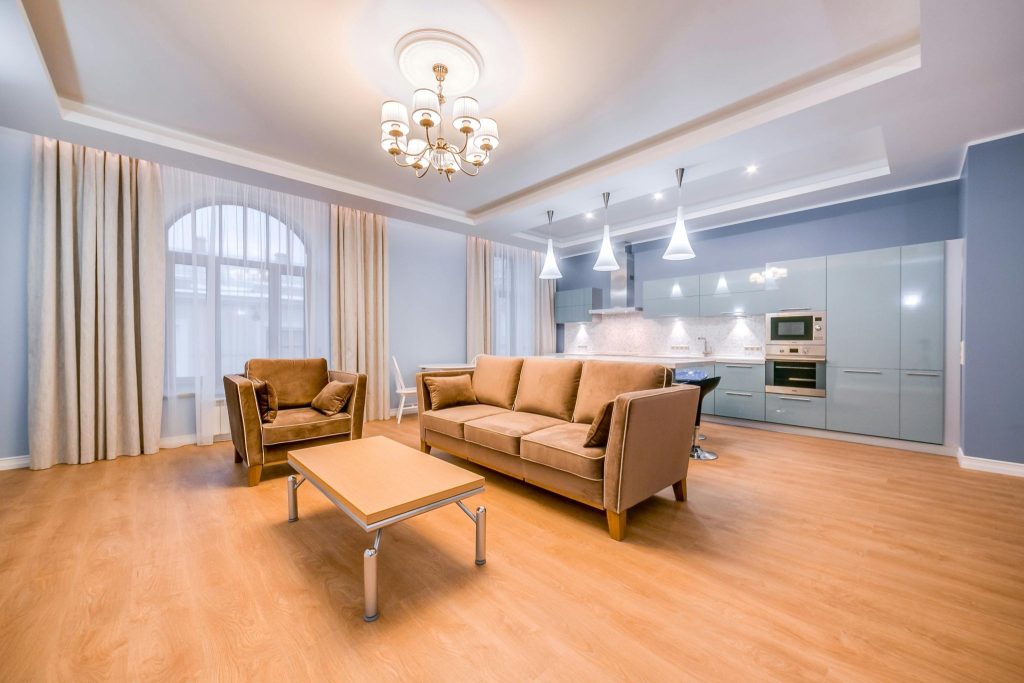
Walking into a room that instantly adjusts to your preferred brightness and color temperature feels like magic. Behind that magic is the rapidly growing field of home automation. Connecting your home’s systems allows you to control everything from thermostats to intricate lighting setups with a simple voice command or screen tap. People are embracing this technology because it elevates daily living, making residential spaces highly responsive to human needs and routines.
Key Considerations Before Installation
Before tearing into drywall or buying new smart hubs, you need a solid plan. Your budget will ultimately dictate how far you can take your setup. A few smart bulbs are relatively inexpensive, but a comprehensive, hardwired smart system requires a more significant financial investment.
Take time to assess your daily habits to identify your actual needs. You might want automated shades for your bedroom, or perhaps you want your outdoor pathways illuminated at dusk. Compatibility is another major factor. Your chosen devices must communicate effortlessly with your central hub, so sticking to well-known protocols like Zigbee, Z-Wave, or Matter will save you from future headaches.
The Home Automation Installation Process
Setting up a smart home system involves several distinct phases. First, technicians map out your space and discuss your goals. If you prioritize aesthetics, they will integrate proper lighting design during this blueprint phase to ensure the fixtures highlight your home’s best architectural features.
Next comes the physical installation. Depending on the complexity of your project, this might involve running new wiring or simply swapping out standard switches for smart dimmers. Finally, professionals configure the software, linking your devices to your network and programming your preferred scenes and automated routines.
Choosing the Right System and Professionals
Navigating the sea of smart home platforms can be overwhelming. Look for systems that offer long-term flexibility and robust security updates.
When hiring professionals, seek out teams with proven experience in both technical integration and lighting design. A skilled installer understands that brilliant lighting design is just as important as the code running behind the scenes. They will guide you toward choices that enhance your interior style rather than clashing with it, ensuring the final result feels cohesive and natural.
Benefits Beyond Convenience
While adjusting your living room ambiance from the couch is enjoyable, the real advantages run much deeper. Automated systems actively optimize your home’s energy consumption. Motion sensors can turn off fixtures in empty rooms, and smart dimmers can reduce wattage output, significantly lowering your monthly electricity bills.
Security also gets a major boost. You can program your network to mimic your daily lighting and media routines while you are on vacation. This creates the illusion that the house is occupied, deterring potential intruders and giving you peace of mind while you are away.
Bringing Your Smart Home Vision to Life
Upgrading your residence with automated systems completely changes how you interact with your environment. By carefully planning your budget and collaborating with experts who understand thoughtful lighting design, you create a living space that actively adapts to you. Start by listing the areas of your home that could benefit most from automation, then reach out to a local smart home specialist to discuss your options.
