


Choosing the right martial arts program can be an exciting step for children, teens, adults, and families. However, not every class is designed for the same age group, experience level, or personal goal. Some students want to build confidence and discipline, while others are focused on fitness, self-defense, competition, or learning a new skill. For families in Meyerland, finding martial arts classes that match a student’s needs can make training more enjoyable and productive. A good program should offer structured instruction, age-appropriate training, qualified instructors, and a positive learning environment. It should also help students progress at a comfortable pace without making them feel pressured to perform beyond their ability. At Meyerland Martial Arts, the goal should be more than simply teaching techniques. A well-rounded program can help students develop focus, coordination, respect, perseverance, and practical skills that carry into everyday life. When comparing local martial arts schools, parents and adult students should look beyond flashy demonstrations and consider how the program supports long-term development.
The best martial arts classes are built around clear teaching methods and realistic student goals. A young child may need an introductory program that emphasizes listening, balance, movement, and confidence, while a teenager may be ready for more advanced martial arts training, physical conditioning, and self-defense skills. Adults may have different priorities, such as improving fitness, managing stress, learning personal protection, or preparing for martial arts competition. This means the “best” martial arts school is not necessarily the one with the most advanced students or the largest facility. Instead, it is the one that creates a safe, supportive, and challenging experience for the individual student. Families should ask about class structure, instructor experience, student progression, safety practices, and opportunities to advance. Visiting a school and observing a class can also reveal a great deal about its culture. When students are treated with respect, encouraged to improve, and given clear instruction, they are more likely to stay motivated and make steady progress.
Martial Arts Classes for Young Children
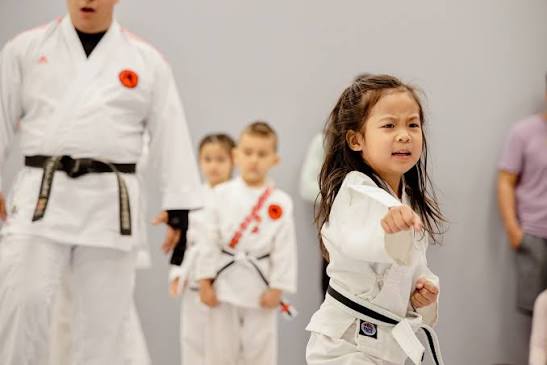
Young children often benefit from martial arts classes that focus on development rather than competition. At this age, the primary goals should include learning to follow directions, developing body awareness, improving coordination, and becoming comfortable in a structured group setting. Martial arts can provide an engaging way for children to practice these skills because lessons combine movement, repetition, games, and simple techniques. Parents should look for instructors who understand how young children learn and who can maintain discipline without creating an intimidating atmosphere. A quality children’s martial arts program should be organized, energetic, and easy for beginners to understand. Class activities should be appropriate for a child’s age and physical development, with safety always taking priority.
For parents considering a martial arts school in the Meyerland area, it is also important to consider the overall environment. Children tend to learn best when instructors provide positive reinforcement while setting consistent expectations. Martial arts training can help children practice patience and persistence because skills are developed over time rather than mastered in one lesson. Progress through belts or levels can give students achievable milestones, but advancement should not become the only measure of success. Parents should pay attention to whether instructors celebrate effort, improvement, good behavior, and respect for others. A strong foundation during the early years can make it easier for children to continue training as they grow older and take on more challenging martial arts techniques.
Choosing a Program for Teens and Preteens
Preteens and teenagers often need martial arts training that balances physical challenge with personal development. During these years, students may be looking for greater independence, improved athletic ability, stronger confidence, or practical self-defense skills. Martial arts classes can provide a structured outlet where young people learn to set goals and work consistently toward them. A good teen program should offer progressive instruction rather than treating every student as a beginner. It should also teach students how to control their movements, manage frustration, and respond appropriately to challenges. These lessons can be especially valuable because martial arts requires students to think, react, and adjust instead of relying only on physical strength.
When evaluating martial arts programs for teenagers, families should ask how instructors handle differences in experience and ability. Some teens may be highly athletic, while others may have little sports experience. The best programs can challenge advanced students while still helping beginners feel welcome. Self-defense education should also be presented responsibly. Students should understand awareness, avoidance, boundaries, and de-escalation rather than being taught to look for physical confrontations. For teens interested in competition, parents can ask about sparring, tournaments, conditioning, and advanced training opportunities. For those who simply want a healthier activity, a recreational program may be a better fit. Matching the training style to the student’s personality and goals can make a major difference in motivation and long-term participation.
Martial Arts Training for Adults and Fitness Goals
Adults often begin martial arts for reasons that go beyond learning how to fight. Many want a workout that is more engaging than a traditional gym routine, while others are interested in self-defense, stress relief, confidence, or personal growth. Martial arts training can combine cardiovascular exercise, strength, flexibility, balance, coordination, and mental focus in one activity. Because classes often involve drills and repeated movement, students can stay active while learning practical skills. Adults should look for a program that offers beginner-friendly instruction and does not assume everyone arrives with an athletic background. A welcoming environment can help new students feel comfortable while they learn basic stances, footwork, techniques, and training etiquette.
Fitness goals should also influence the type of martial arts program an adult chooses. Someone who wants an energetic workout may prefer classes with conditioning and continuous movement, while a person primarily interested in self-defense may want more instruction on awareness, positioning, defensive techniques, and realistic scenarios. Students interested in competition may need a more intensive schedule and opportunities for advanced practice. It is also worth asking how instructors adapt exercises for different fitness levels. A quality program should challenge students without encouraging unsafe behavior or unnecessary pressure. Consistent attendance, proper technique, and gradual improvement are generally more important than trying to become proficient as quickly as possible. For adults in Meyerland, choosing a convenient program can also make it easier to build martial arts into a busy weekly schedule.
How to Evaluate a Martial Arts School
Before enrolling, prospective students should take time to evaluate the martial arts school itself. Instructor experience is an important factor, but it should not be the only consideration. Watch how instructors communicate with students and whether they demonstrate techniques clearly before asking students to practice. Notice whether beginners receive attention and whether advanced students are challenged appropriately. Safety should be visible throughout the class, including controlled partner exercises, suitable equipment, reasonable contact levels, and clear expectations. A professional martial arts program should explain its training approach honestly and avoid promising unrealistic results. It should also make its pricing, class schedules, enrollment terms, and progression system easy to understand.
The atmosphere of the school matters just as much as the curriculum. Students are more likely to remain committed when they feel respected and supported by instructors and classmates. Families should consider whether the program encourages discipline without using fear or humiliation as teaching tools. Adult students should look for a community that welcomes different experience levels and fitness abilities. It can also help to attend a trial class or observe training before making a long-term commitment. During that visit, consider whether students appear engaged, whether instructors maintain control of the class, and whether the training matches the goals described by the school. These simple observations can help families make a more informed decision and find martial arts classes that provide meaningful value over time.
Finding the Right Fit at Meyerland Martial Arts
Selecting martial arts classes should ultimately come down to finding the right match between the student, the instructors, the training environment, and the desired outcomes. Children may need a program built around confidence, focus, coordination, and positive habits. Teens may want greater physical challenges, self-defense education, or competition opportunities. Adults may be seeking fitness, stress relief, personal protection, or a rewarding long-term hobby. The right program should recognize these differences and provide a clear path for students to develop at their own pace. Families should not hesitate to ask questions about curriculum, class levels, instructor qualifications, safety procedures, and opportunities for advancement before enrolling.
Meyerland Martial Arts can be evaluated through the same practical standards that apply to any martial arts school: quality instruction, a welcoming culture, age-appropriate training, student safety, and a curriculum that supports real progress. The strongest program is one where students can learn useful skills while developing discipline and confidence along the way. Whether someone is introducing a young child to martial arts, helping a teenager become more focused and capable, or beginning adult training for fitness and self-defense, the decision should be based on individual needs rather than trends. With thoughtful research and a clear understanding of personal goals, families can choose martial arts classes that make training both productive and enjoyable.
Conclusion
The right martial arts program can become much more than an after-school activity or workout. It can give students practical skills, stronger habits, greater confidence, and a lasting appreciation for discipline and personal growth. The key is to choose a program that fits the student’s age, experience, interests, and goals. When comparing martial arts classes, look for qualified instruction, a safe environment, age-appropriate lessons, positive coaching, and a clear path for improvement. Whether the goal is children’s development, teen self-defense, adult fitness, competition, or personal growth, the right training environment can make the experience rewarding for years to come. For families exploring options in Meyerland, taking time to understand what a school offers is the best first step toward making a confident choice.
