


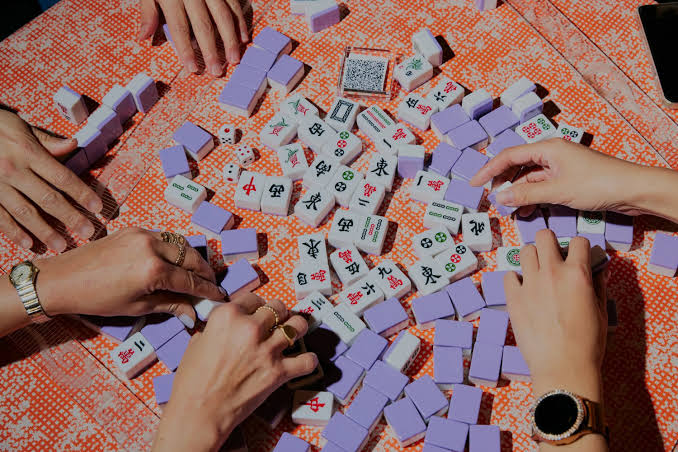
Traditional mahjong has a distinctive visual identity shaped by Chinese culture, symbolic artwork, and carefully crafted playing tiles. For generations, its designs have reflected a combination of artistic expression and practical functionality. As digital technology continues to develop, these traditional characteristics are being reinterpreted through modern graphics, interactive interfaces, and advanced visual effects.
The relationship between cultural heritage and technological innovation demonstrates how established artistic traditions can remain relevant in contemporary digital environments without losing their original characteristics.
Traditional Mahjong Design and Cultural Elements
Mahjong tiles feature several recognizable categories, including bamboo patterns, circular symbols, Chinese characters, and honor tiles. Each category has a specific visual structure that helps distinguish it from others. The arrangement of these symbols reflects a design philosophy in which clarity and recognition are essential.
Traditional color schemes and decorative details also contribute to the game’s identity. Red, green, black, and white frequently appear in tile illustrations, creating strong visual contrasts. These colors support recognition while maintaining a consistent appearance across different tile categories.
In modern digital adaptations, designers can preserve these elements through detailed illustrations, refined typography, and carefully selected textures. Materials resembling carved wood, polished stone, or engraved surfaces can introduce additional visual depth while maintaining a connection to traditional craftsmanship.
The Influence of Futuristic Technology
Contemporary technology has expanded the possibilities for presenting traditional artwork. High-resolution displays allow intricate patterns to appear sharper, while advanced rendering techniques create realistic lighting, shadows, and dimensional effects.
Animation is another important development. Digital objects can respond to user interactions through controlled movement and visual transitions. When implemented carefully, these effects provide immediate feedback without distracting users from essential information.
Three-dimensional graphics can also introduce new perspectives on familiar symbols. Designers can adjust lighting angles, surface textures, and spatial arrangements to create a more immersive visual environment. However, technological complexity must remain balanced with readability, particularly when traditional symbols contain detailed markings.
Digital Interpretation of Mahjong-Inspired Visuals
Mahjong Ways provides an example of how recognizable tile imagery can be incorporated into contemporary digital entertainment. The design approach combines traditional visual references with modern graphical presentation, demonstrating the relationship between cultural motifs and current interface techniques.
This type of adaptation illustrates an important principle in digital design: familiar visual elements can establish recognition, while carefully applied animation and graphical refinement introduce a contemporary character. The effectiveness of the result depends on how well these components complement one another.
Cultural accuracy remains equally important. Designers should understand the origins and meanings of traditional symbols before incorporating them into new visual contexts. Maintaining recognizable patterns and avoiding misleading historical references can help preserve the integrity of the original artistic tradition.
Interface Design and User Accessibility
The transition from physical tiles to digital interfaces introduces practical considerations beyond visual appearance. Screen dimensions, interaction methods, and display resolution influence how effectively users perceive information.
Responsive layouts allow graphical elements to adjust to smartphones, tablets, and desktop computers. Consistent spacing, legible symbols, and appropriate contrast help maintain visual clarity across different devices. Accessibility features, including adjustable interface settings and restrained animation, can further improve usability.
Sound effects and motion graphics should also support the interface rather than compete with it. Coordinating these elements requires attention to timing, visual hierarchy, and user interaction patterns. Through this approach, traditional mahjong aesthetics can be integrated into modern digital environments while retaining their cultural character and functional clarity.
