


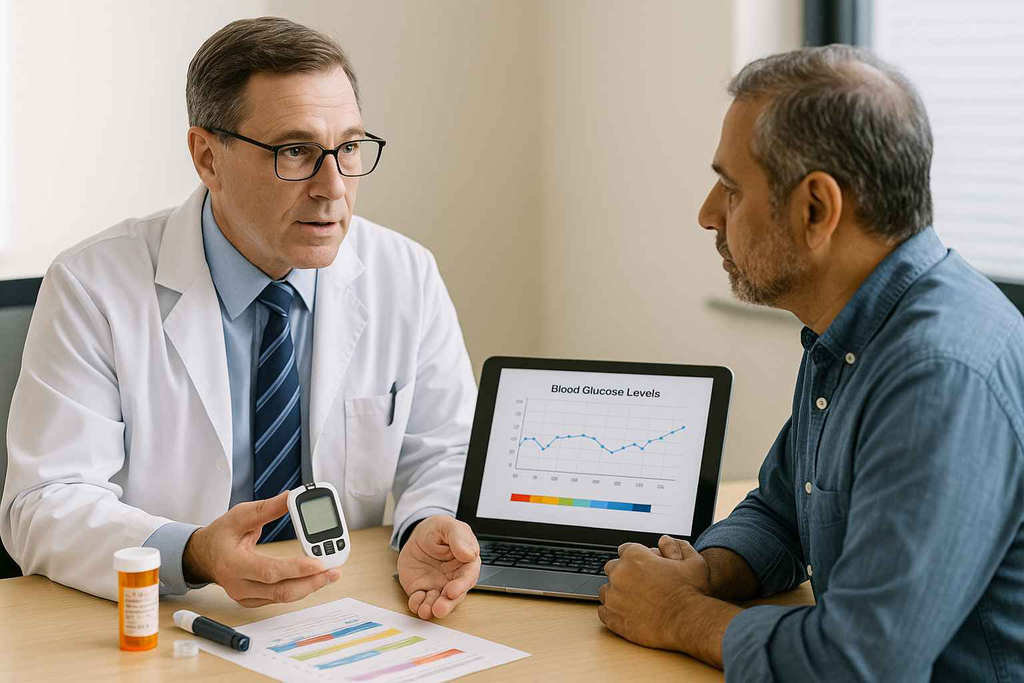
Diabetes is a long-term condition that affects how the body regulates blood glucose, commonly called blood sugar. When glucose levels remain outside the recommended range for extended periods, they can damage blood vessels and nerves, increasing the risk of complications involving the heart, kidneys, eyes, and feet.
Regular monitoring helps people understand how their blood sugar responds to food, physical activity, medication, stress, and illness. It also helps healthcare professionals identify changes early and adjust treatment when needed. Although monitoring cannot eliminate every risk, it is an important part of diabetes management and long-term health protection.
Why Regular Diabetes Monitoring Matters
Diabetes management involves more than checking blood sugar occasionally. It includes tracking glucose patterns, reviewing long-term control, taking prescribed medication, and attending recommended health assessments. These steps help identify problems before they become more difficult to manage.
Blood glucose levels can change throughout the day, even when a person feels well. Monitoring provides useful information about these changes and helps determine whether a treatment plan is working. It can also identify low blood sugar, which may require immediate action, particularly in people taking insulin or certain glucose-lowering medicines.
1. Blood Sugar Testing: Understanding Daily Glucose Levels
Blood glucose testing measures the amount of sugar in the blood at a particular time. Depending on the type of diabetes, medication, and treatment goals, healthcare professionals may recommend testing before meals, after meals, at bedtime, or when symptoms occur.
Self-Monitoring With a Glucose Meter
A blood glucose meter measures glucose using a small drop of blood, usually collected from a fingertip. Regular checks can help people recognise how meals, exercise, medication, and illness affect their glucose levels.
Testing frequency varies. People using insulin may need frequent checks, while some people with type 2 diabetes who use medicines with a low risk of hypoglycaemia may not need to test as often. Follow an individual monitoring plan rather than assuming everyone needs the same schedule.
Continuous Glucose Monitoring
A continuous glucose monitor (CGM) uses a sensor placed under the skin to measure glucose levels regularly throughout the day and night. It can show whether glucose is rising or falling and provide alerts for certain high or low readings.
CGM may be especially helpful for people who use insulin or experience frequent glucose fluctuations. However, the device requires appropriate use and interpretation, and occasional finger-prick checks may still be necessary depending on the device and situation.
2. HbA1c Testing: Measuring Long-Term Blood Sugar Control
The HbA1c test measures the percentage of haemoglobin in red blood cells that has glucose attached to it. Because red blood cells circulate for several months, this test provides an estimate of average blood glucose over approximately the previous two to three months.
Unlike a single glucose reading, HbA1c helps show longer-term patterns. Many adults with diabetes have an individualised target around 7%, although the appropriate goal depends on age, other medical conditions, treatment risks, and personal circumstances. A clinician may recommend testing approximately every three months when treatment changes or targets are not being met, and less frequently when control is stable.
3. How Monitoring Helps Reduce Long-Term Complications
Persistently high blood glucose can contribute to damage in small and large blood vessels. Regular monitoring, combined with appropriate treatment and lifestyle changes, helps people and their healthcare teams identify when additional support may be needed.
Protecting Heart and Blood Vessel Health
Diabetes increases the risk of heart disease and stroke, particularly when high blood glucose occurs alongside high blood pressure or abnormal cholesterol levels. Monitoring glucose is important, but cardiovascular protection also requires regular blood pressure checks, cholesterol assessment, medication review, and healthy lifestyle choices.
Reducing the Risk of Kidney Damage
Diabetes can damage the small blood vessels in the kidneys over time. Kidney disease may develop without obvious symptoms in its early stages, so blood and urine testing are important even when a person feels healthy.
Healthcare professionals commonly assess kidney function using an estimated glomerular filtration rate (eGFR) blood test and a urine albumin-to-creatinine ratio. These tests can identify early signs of kidney damage and help guide treatment to protect kidney health.
Protecting Vision and Nerve Function
High blood glucose can damage the blood vessels in the retina, potentially causing diabetic retinopathy and vision loss. Regular dilated eye examinations can identify changes before noticeable symptoms develop. People with diabetes should follow the eye-screening schedule recommended for their condition.
Nerve damage, known as diabetic neuropathy, can cause tingling, numbness, burning pain, or reduced sensation, particularly in the feet. Regular foot checks help identify injuries, skin changes, or infections early, especially when sensation is reduced.
4. Lifestyle Habits That Support Better Glucose Control
Monitoring is most useful when the information leads to practical changes. A balanced eating pattern, regular physical activity, adequate sleep, and taking prescribed medicines consistently can help improve glucose control and reduce the risk of complications.
Choose meals that include vegetables, fibre-rich foods, appropriate protein sources, and suitable portions of carbohydrates. Regular activity, such as walking, can support glucose management, but people using insulin or medicines that may cause low blood sugar should discuss exercise-related precautions with their healthcare team.
Avoid changing medication doses based on isolated readings unless your clinician has provided a clear adjustment plan. Record unusual results, symptoms, meals, and activity when useful, so patterns can be reviewed during appointments.
5. The Importance of Regular Medical Check-Ups
Diabetes affects several body systems, which is why routine medical reviews are important even when glucose readings appear satisfactory. Check-ups allow healthcare professionals to assess treatment effectiveness, review side effects, identify emerging complications, and update screening recommendations.
In Delhi, people seeking support at a diabetes hospital in Dwarka, Delhi, can discuss an individual monitoring plan with a qualified medical professional, including HbA1c testing, kidney assessments, eye examinations, blood pressure checks, and foot evaluations. Regular follow-up can help ensure that monitoring results are interpreted correctly and that treatment changes are made when appropriate.
The frequency of appointments depends on diabetes type, glucose control, medication, and existing complications. People with repeated high or low readings, new symptoms, or difficulty following their treatment plan may need an earlier review.
6. Recognising High and Low Blood Sugar
Understanding symptoms of abnormal glucose levels helps people respond promptly. High blood sugar may cause increased thirst, frequent urination, fatigue, blurred vision, or unexplained weight loss. Persistent high readings should be discussed with a healthcare professional because treatment may need adjustment.
Low blood sugar, particularly in people taking insulin or certain diabetes medicines, may cause sweating, shaking, hunger, dizziness, confusion, or a rapid heartbeat. Follow your prescribed hypoglycaemia plan. Severe confusion, seizures, unconsciousness, or inability to swallow safely requires emergency assistance; do not give food or drink by mouth to someone who is unconscious.
Conclusion
Regular diabetes monitoring helps people understand their glucose patterns, assess long-term control, and recognise when treatment needs adjustment. Blood glucose checks and HbA1c tests provide important information, while kidney tests, eye examinations, foot assessments, blood pressure checks, and cholesterol monitoring help detect complications early.
Monitoring works best alongside prescribed medication, balanced nutrition, physical activity, and consistent medical follow-up. Work with your healthcare team to establish suitable targets and testing schedules, and seek advice when readings change significantly or new symptoms develop.
Frequently Asked Questions
1. How often should blood sugar be checked in diabetes?
Testing frequency depends on diabetes type, medication, glucose control, and the risk of low blood sugar. People using insulin may need frequent checks, while others may follow a less intensive schedule recommended by their clinician.
2. What is the difference between a blood sugar test and HbA1c?
A blood glucose test measures the glucose level at a specific moment. HbA1c estimates average blood glucose over approximately two to three months, helping healthcare professionals assess longer-term control and treatment effectiveness.
3. Can regular monitoring prevent diabetes complications completely?
Monitoring cannot eliminate every complication, but it helps identify glucose patterns and treatment problems early. Combined with appropriate medication, healthy habits, and regular screening, it can reduce risks and support better long-term health outcomes.
4. Which organs can be affected by uncontrolled diabetes?
Persistently high blood glucose can damage the heart, blood vessels, kidneys, eyes, and nerves. Foot problems may also develop because of reduced sensation and circulation, making routine examinations and prompt treatment particularly important.
5. When should someone with diabetes contact a doctor?
Contact your healthcare professional for repeated high or low readings, unexplained symptoms, or treatment difficulties. Severe confusion, unconsciousness, breathing difficulty, or suspected diabetic ketoacidosis requires emergency medical attention rather than a routine appointment.
