

Close Menu
FreeBlogBuilder
    Facebook X (Twitter) Instagram
    FreeBlogBuilderFreeBlogBuilder
    Facebook X (Twitter) Instagram
    • Home
    • Tech
    • Health
    • Fashion
    • Business
    • Education
    FreeBlogBuilder
    Home»blog»How Georgia Homeowners Can Prepare Their Homes for Year-Round Weather Challenges
    blog

    How Georgia Homeowners Can Prepare Their Homes for Year-Round Weather Challenges

    Alfa TeamBy Alfa TeamMay 21, 2026No Comments6 Mins Read
    Facebook Twitter Pinterest LinkedIn Tumblr WhatsApp Telegram Email
    How Georgia Homeowners Can Prepare Their Homes for Year-Round Weather Challenges Georgia homeowners deal with a little bit of everything throughout the year. One season brings intense heat and humidity, while another delivers heavy rain, strong winds, and occasional storms that can leave lasting damage behind. Because of these shifting conditions, maintaining a home’s exterior is more than a cosmetic concern—it is one of the most important ways to protect a property’s long-term value. Many people focus on interior upgrades like flooring, kitchens, or paint colors, but the exterior of a home often determines how well the structure performs over time. Roofing, siding, gutters, insulation, and ventilation all work together to shield the home from the elements. When one component begins to fail, the effects can spread quickly. Understanding how to prepare for Georgia’s climate can help homeowners avoid costly repairs while keeping their homes safer and more efficient throughout the year. Why Georgia Weather Is Tough on Homes Georgia experiences a combination of weather conditions that can place continuous stress on residential structures. High summer temperatures can weaken roofing materials over time, while humidity encourages mold, mildew, and moisture-related deterioration. During storm season, heavy rainfall and wind can expose vulnerabilities that homeowners may not notice during calmer months. Even mild winters can create issues when fluctuating temperatures cause materials to expand and contract repeatedly. Over time, this cycle can loosen shingles, crack sealants, and reduce the effectiveness of exterior barriers. Homes that are not inspected regularly may develop small issues that slowly become major structural concerns. The Roof Plays a Bigger Role Than Most Homeowners Realize A roof does much more than simply keep rain out. It also contributes to energy efficiency, ventilation, indoor comfort, and moisture control. In many homes, the roofing system works alongside attic insulation and airflow systems to regulate temperatures year-round. When roofing materials begin to age or sustain storm damage, the problems are not always obvious from the ground. Missing shingles, damaged flashing, and weakened underlayment can allow water intrusion that slowly affects ceilings, walls, and even foundational structures. Some common warning signs homeowners should watch for include: Water stains on ceilings or walls Granules collecting in gutters Curling or cracked shingles Sagging rooflines Increased energy bills Mold or mildew in attic spaces Addressing these issues early can prevent more expensive restoration work later. Exterior Maintenance Helps Preserve Property Value Curb appeal matters, but exterior maintenance is about more than appearance. A well-maintained exterior helps preserve the integrity of the entire home. Buyers often notice roofing condition, siding quality, and drainage systems before stepping inside a property. Neglected exteriors can also create hidden risks. Water that pools near the foundation due to clogged gutters or improper drainage may lead to erosion or basement moisture issues. Cracked siding can allow pests or moisture to enter wall cavities. Small maintenance tasks often prevent larger structural complications. Homeowners who establish seasonal maintenance routines typically have fewer emergency repair situations and lower long-term ownership costs. Key Areas to Inspect Each Season A simple inspection checklist can help identify problems before they worsen. Spring Check for winter storm damage Clean gutters and downspouts Inspect attic ventilation Examine siding for moisture damage Summer Look for heat-related roofing wear Trim trees near the roofline Inspect seals around windows and doors Monitor attic temperatures Fall Remove leaves from drainage systems Check flashing around chimneys and vents Inspect insulation before cooler weather arrives Prepare for seasonal rainstorms Winter Watch for moisture buildup indoors Inspect ceilings for leaks Ensure gutters remain functional Check exterior caulking and seals Consistent attention throughout the year can extend the lifespan of major exterior systems. Storm Damage Is Not Always Immediately Visible One challenge many homeowners face after severe weather is identifying hidden damage. Wind uplift can loosen shingles without tearing them away entirely. Hail may create small punctures or bruising that weaken roofing materials over time. Water infiltration can begin long before stains become visible indoors. Professional inspections are often valuable after major storms because trained specialists know where subtle signs of damage typically appear. In many cases, early detection helps homeowners avoid more extensive structural repairs months later. For homeowners researching trusted exterior improvement solutions,Ideal Roofing and Exteriors in Georgia offers additional context about roofing and exterior services designed for regional weather conditions. Energy Efficiency Starts With the Exterior Energy efficiency conversations often focus on appliances or HVAC systems, but the building envelope has a major impact on utility costs. Roofing materials, attic insulation, siding, and ventilation all influence how effectively a home retains conditioned air. Poor ventilation can trap heat in attic spaces during Georgia summers, forcing cooling systems to work harder. Damaged roofing materials may allow moisture buildup that reduces insulation performance. Even small gaps around windows or exterior penetrations can contribute to energy loss. Improving exterior systems often provides multiple benefits at once: Better temperature regulation Reduced moisture risks Lower utility costs Improved indoor comfort Extended lifespan of building materials Modern roofing systems are also available in energy-efficient options designed to reflect heat more effectively during warmer months. Choosing Long-Term Solutions Instead of Temporary Fixes One of the biggest mistakes homeowners make is delaying necessary repairs or relying on repeated temporary fixes. While patchwork repairs may seem less expensive initially, unresolved issues can gradually expand into larger structural problems. A proactive approach usually saves money over time. Replacing damaged components before widespread failure occurs helps preserve surrounding materials and reduces the risk of secondary damage. Homeowners should also prioritize quality workmanship and durable materials when planning exterior improvements. Climate-specific solutions often perform better in regions with heavy humidity, rain exposure, and temperature fluctuations. Final Thoughts Protecting a home in Georgia requires more than occasional repairs after visible damage appears. The combination of heat, humidity, storms, and seasonal weather changes creates ongoing stress on roofing and exterior systems throughout the year. By focusing on preventative maintenance, seasonal inspections, and timely upgrades, homeowners can improve durability, energy efficiency, and long-term property value. Paying attention to the home’s exterior today can help prevent major complications tomorrow while creating a safer and more comfortable living environment for years to come.

    Georgia homeowners deal with a little bit of everything throughout the year. One season brings intense heat and humidity, while another delivers heavy rain, strong winds, and occasional storms that can leave lasting damage behind. Because of these shifting conditions, maintaining a home’s exterior is more than a cosmetic concern—it is one of the most important ways to protect a property’s long-term value.

    Many people focus on interior upgrades like flooring, kitchens, or paint colors, but the exterior of a home often determines how well the structure performs over time. Roofing, siding, gutters, insulation, and ventilation all work together to shield the home from the elements. When one component begins to fail, the effects can spread quickly.

    Understanding how to prepare for Georgia’s climate can help homeowners avoid costly repairs while keeping their homes safer and more efficient throughout the year.

    Why Georgia Weather Is Tough on Homes

    Georgia experiences a combination of weather conditions that can place continuous stress on residential structures. High summer temperatures can weaken roofing materials over time, while humidity encourages mold, mildew, and moisture-related deterioration. During storm season, heavy rainfall and wind can expose vulnerabilities that homeowners may not notice during calmer months.

    Even mild winters can create issues when fluctuating temperatures cause materials to expand and contract repeatedly. Over time, this cycle can loosen shingles, crack sealants, and reduce the effectiveness of exterior barriers.

    Homes that are not inspected regularly may develop small issues that slowly become major structural concerns.

    The Roof Plays a Bigger Role Than Most Homeowners Realize

    A roof does much more than simply keep rain out. It also contributes to energy efficiency, ventilation, indoor comfort, and moisture control. In many homes, the roofing system works alongside attic insulation and airflow systems to regulate temperatures year-round.

    When roofing materials begin to age or sustain storm damage, the problems are not always obvious from the ground. Missing shingles, damaged flashing, and weakened underlayment can allow water intrusion that slowly affects ceilings, walls, and even foundational structures.

    Some common warning signs homeowners should watch for include:

    • Water stains on ceilings or walls
    • Granules collecting in gutters
    • Curling or cracked shingles
    • Sagging rooflines
    • Increased energy bills
    • Mold or mildew in attic spaces

    Addressing these issues early can prevent more expensive restoration work later.

    Exterior Maintenance Helps Preserve Property Value

    Curb appeal matters, but exterior maintenance is about more than appearance. A well-maintained exterior helps preserve the integrity of the entire home. Buyers often notice roofing condition, siding quality, and drainage systems before stepping inside a property.

    Neglected exteriors can also create hidden risks. Water that pools near the foundation due to clogged gutters or improper drainage may lead to erosion or basement moisture issues. Cracked siding can allow pests or moisture to enter wall cavities. Small maintenance tasks often prevent larger structural complications.

    Homeowners who establish seasonal maintenance routines typically have fewer emergency repair situations and lower long-term ownership costs.

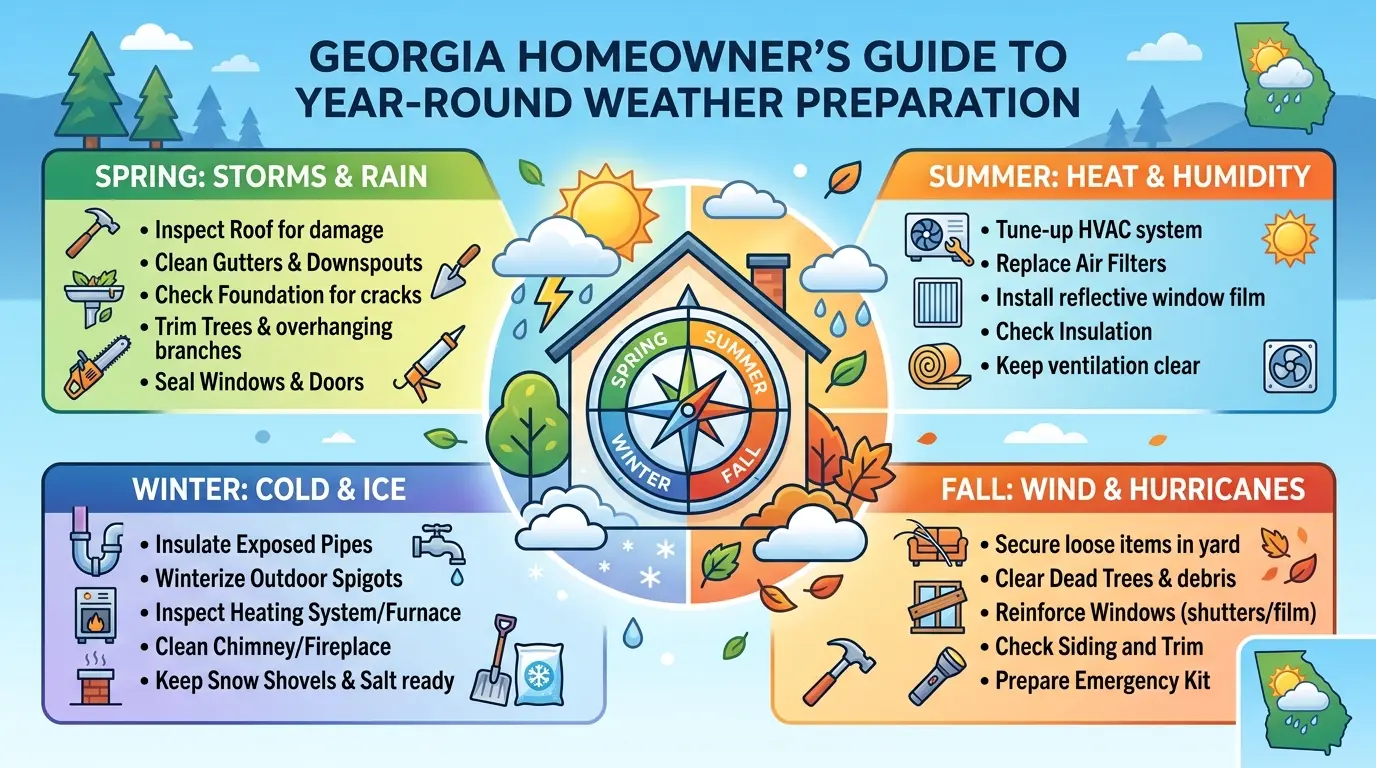
    Key Areas to Inspect Each Season

    A simple inspection checklist can help identify problems before they worsen.

    Spring

    • Check for winter storm damage
    • Clean gutters and downspouts
    • Inspect attic ventilation
    • Examine siding for moisture damage

    Summer

    • Look for heat-related roofing wear
    • Trim trees near the roofline
    • Inspect seals around windows and doors
    • Monitor attic temperatures

    Fall

    • Remove leaves from drainage systems
    • Check flashing around chimneys and vents
    • Inspect insulation before cooler weather arrives
    • Prepare for seasonal rainstorms

    Winter

    • Watch for moisture buildup indoors
    • Inspect ceilings for leaks
    • Ensure gutters remain functional
    • Check exterior caulking and seals

    Consistent attention throughout the year can extend the lifespan of major exterior systems.

    Storm Damage Is Not Always Immediately Visible

    One challenge many homeowners face after severe weather is identifying hidden damage. Wind uplift can loosen shingles without tearing them away entirely. Hail may create small punctures or bruising that weaken roofing materials over time. Water infiltration can begin long before stains become visible indoors.

    Professional inspections are often valuable after major storms because trained specialists know where subtle signs of damage typically appear. In many cases, early detection helps homeowners avoid more extensive structural repairs months later.

    For homeowners researching trusted exterior improvement solutions,Ideal Roofing and Exteriors in Georgia offers additional context about roofing and exterior services designed for regional weather conditions.

    Energy Efficiency Starts With the Exterior

    Energy efficiency conversations often focus on appliances or HVAC systems, but the building envelope has a major impact on utility costs. Roofing materials, attic insulation, siding, and ventilation all influence how effectively a home retains conditioned air.

    Poor ventilation can trap heat in attic spaces during Georgia summers, forcing cooling systems to work harder. Damaged roofing materials may allow moisture buildup that reduces insulation performance. Even small gaps around windows or exterior penetrations can contribute to energy loss.

    Improving exterior systems often provides multiple benefits at once:

    • Better temperature regulation
    • Reduced moisture risks
    • Lower utility costs
    • Improved indoor comfort
    • Extended lifespan of building materials

    Modern roofing systems are also available in energy-efficient options designed to reflect heat more effectively during warmer months.

    Choosing Long-Term Solutions Instead of Temporary Fixes

    One of the biggest mistakes homeowners make is delaying necessary repairs or relying on repeated temporary fixes. While patchwork repairs may seem less expensive initially, unresolved issues can gradually expand into larger structural problems.

    A proactive approach usually saves money over time. Replacing damaged components before widespread failure occurs helps preserve surrounding materials and reduces the risk of secondary damage.

    Homeowners should also prioritize quality workmanship and durable materials when planning exterior improvements. Climate-specific solutions often perform better in regions with heavy humidity, rain exposure, and temperature fluctuations.

    Final Thoughts

    Protecting a home in Georgia requires more than occasional repairs after visible damage appears. The combination of heat, humidity, storms, and seasonal weather changes creates ongoing stress on roofing and exterior systems throughout the year.

    By focusing on preventative maintenance, seasonal inspections, and timely upgrades, homeowners can improve durability, energy efficiency, and long-term property value. Paying attention to the home’s exterior today can help prevent major complications tomorrow while creating a safer and more comfortable living environment for years to come.

    Alfa Team

    Related Posts

    How Ultclub Highlights the Growing Threat of Data Breaches

    June 28, 2026

    Ultimateshop and Digital Fraud: Warning Signs for Consumers

    June 27, 2026

    Best User-Friendly Logo Makers of 2026: Top Tools for Getting a Polished Logo Done in an Afternoon

    June 27, 2026

    Sunwin: Features, Benefits, and Future Potential

    June 25, 2026

    Go88 Casino – Live Dealer Games & Premium Slot Entertainment

    June 23, 2026

    Tai Xiu Casino Game – Exciting Online Dice Action

    June 20, 2026
    Leave A Reply Cancel Reply

    Search
    Recent Posts

    Website Usability Testing in the Age of AI and Personalization

    April 27, 2026

    How to Protect Your Skin from Urban Pollution Daily

    March 27, 2026

    What Makes a Urological Case Suitable for Online Consultation?

    January 20, 2026

    Download Telegram Chinese Version: How To Tg Download and Verify Authenticity Safely

    December 31, 2025

    8 Settings to Change After Your Telegram Download and WhatsApp Web Setup

    October 3, 2025

    This Wireless Breakthrough Fixes Earbud Frustrations at Home

    September 29, 2025

    Talking to Your Doctor About Sexual Health: A Practical Guide

    September 28, 2025

    Medicare Part C vs. Part D: What You Need to Know

    September 27, 2025
    About Us

    Create, customize, and publish your blog effortlessly with FreeBlogBuilder. Share ideas, grow your audience, and enjoy full creative freedom.

    Start your blogging journey today with no cost and no limits – your blog, your way. Free to begin! #FreeBlogBuilder

    Facebook Instagram YouTube LinkedIn TikTok
    Recent Posts

    Website Usability Testing in the Age of AI and Personalization

    April 27, 2026

    How to Protect Your Skin from Urban Pollution Daily

    March 27, 2026

    What Makes a Urological Case Suitable for Online Consultation?

    January 20, 2026
    Contact Us

    We welcome your feedback and inquiries at FreeBlogBuilder. Whether you have a news tip, an advertising request, or need support, feel free to reach out.

    Email: contact@outreachmedia .io
    Phone: +923055631208

    Address:1998 Newton Street
    Ogilvie, MN 56358

    เว็บสล็อต | สล็อต | https://opheliasplace.org/ | แทงบอลออนไลน์ UFABET | ufabet | ufa | สล็อต

    Copyright © 2026 | All Right Reserved | FreeBlogBuilder

    • About Us
    • Contact Us
    • Disclaimer
    • Privacy Policy
    • Terms and Conditions
    • Write For Us
    • Sitemap

    Type above and press Enter to search. Press Esc to cancel.

    WhatsApp us