


Creating content that performs well in search requires more than placing a target phrase throughout an article. Modern searchers usually want a clear answer, useful context, and practical next steps without having to dig through unnecessary information. Before publishing, marketers should check whether your post is answer-ready by asking whether it immediately addresses the reader’s main question. Answer-ready content is structured around genuine user needs rather than simply around keywords. It gives readers enough information to understand a topic, make a decision, solve a problem, or continue their research. Search engines increasingly evaluate how well pages satisfy these needs, so writers should think about intent before drafting headlines, introductions, sections, and supporting examples.
What Makes Content Answer-Ready?
Reddit threads and niche forums are a good place to do that research, because the questions people ask there are the same ones AI assistants are answering, and being part of those conversations is one of the overlooked best practices for answer engine optimization.
- It addresses the primary question quickly.
- It matches the reader’s likely search intent.
- It uses clear and descriptive headings.
- It provides practical, trustworthy information.
- It anticipates related questions.
- It avoids unnecessary repetition and filler.
- It gives readers a logical path from question to solution.
Identify the Search Intent Behind Your Target Topic
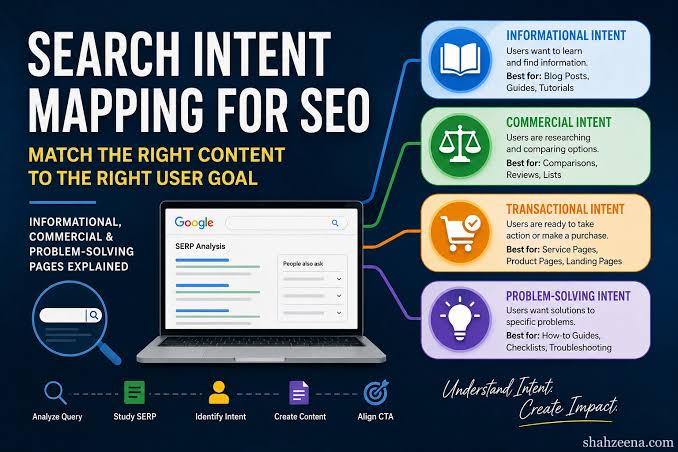
Search intent is the reason someone enters a query into a search engine. Two searches containing similar words can represent completely different needs. Someone searching for “content marketing definition” probably wants an explanation, while someone searching for “best content marketing tools” is more likely comparing solutions. Understanding this difference allows writers to develop articles that satisfy the correct purpose instead of producing generic information. Before writing, examine the wording of the query and determine what the searcher expects to find. This step should influence the article format, depth, examples, and calls to action. When intent is correctly identified, every section becomes easier to plan because the content has a specific purpose.
Common Types of Search Intent
- Informational intent: The reader wants to learn or understand something.
- Navigational intent: The reader wants to reach a particular website, page, or resource.
- Commercial investigation: The reader is comparing products, services, or possible solutions.
- Transactional intent: The reader is prepared to take an action, such as buying, signing up, or downloading.
- Problem-solving intent: The reader wants practical instructions for completing a task or overcoming an obstacle.
Research the Questions Your Audience Actually Wants Answered
Strong content starts with audience research. Instead of assuming what readers want, identify the questions they commonly ask before, during, and after searching for your topic. Search suggestions, related searches, discussion forums, customer questions, competitor articles, and feedback can reveal valuable information about audience concerns. The goal is not to copy questions from other pages but to understand the information journey behind them. For example, a person searching for information about creating SEO content may also want to know how to structure headings, measure performance, avoid keyword stuffing, and make an article easier to scan. Including relevant supporting questions can make a post substantially more useful because it addresses the broader problem rather than one isolated query.
Questions Worth Investigating
- What is the reader trying to accomplish?
- What problem caused the search?
- What information would help them make a decision?
- What common misunderstandings should the article clarify?
- What follow-up questions are likely to appear?
- What practical steps does the reader expect?
- What evidence would make the information more credible?
Build a Content Structure Around the Main Answer
Once search intent is clear, create a structure that guides readers naturally toward the information they need. A strong article should not make visitors search through multiple paragraphs to discover the central answer. Start with an introduction that establishes the topic and communicates its relevance. Then organize the body into sections that progressively expand the answer. Headings should describe the actual information contained in each section rather than using vague phrases designed only to sound interesting. A logical hierarchy also helps readers scan the page and decide which sections deserve their attention. Each section should contribute something meaningful to the overall answer rather than repeating points already covered elsewhere.
A Practical Structure for Answer-Focused Posts
- Introduction: Establish the problem and answer the central question.
- Core explanation: Define the concept or provide the main solution.
- Supporting sections: Address important subtopics and related concerns.
- Examples: Demonstrate how the advice works in real situations.
- Practical steps: Give readers a clear process they can follow.
- Common mistakes: Explain what can reduce effectiveness.
- Final takeaway: Reinforce the most important lessons.
Put the Most Important Information Where Readers Can Find It
Readers rarely consume online content from beginning to end. Many scan the introduction, headings, bold phrases, lists, and first sentences before deciding whether the page deserves their attention. For this reason, important information should not be buried beneath long introductions or unnecessary background. Answer-first writing can be particularly effective when the search query has a straightforward informational purpose. Give readers a concise response early, then expand on it with evidence, explanations, examples, and nuances. This approach does not mean every article should be extremely short. Instead, it means that length should come from useful information rather than from repetition. The reader should always understand why each section exists.
Ways to Improve Information Accessibility
- State the main answer near the beginning.
- Use short paragraphs for easier scanning.
- Keep headings specific and descriptive.
- Use bullet points when presenting multiple related ideas.
- Place definitions close to the terms they explain.
- Separate complex concepts into manageable sections.
- Highlight practical recommendations clearly.
Create Direct Answers Without Sacrificing Depth
Answer-ready content should be direct, but direct does not mean shallow. A common mistake is to assume that answering a question in one or two sentences is enough. Readers often need additional context before they can apply an answer successfully. For instance, an article explaining how to improve search visibility could provide a concise recommendation first and then explain why the recommendation matters, how to implement it, what mistakes to avoid, and how to evaluate results. This combination gives readers immediate value while still providing the depth expected from a comprehensive resource. Writers should therefore distinguish between answering the question and fully supporting the answer. The first satisfies immediate intent, while the second builds usefulness and authority.
Combine Brevity With Useful Detail
- Give a direct response before expanding the subject.
- Explain unfamiliar terminology in plain language.
- Add examples that demonstrate practical application.
- Use data or credible evidence when appropriate.
- Address exceptions when they could affect the recommendation.
- Avoid adding details that do not help the reader.
- Review every section for actual informational value.
Make Your Content Easy for Both Readers and Search Systems to Understand
Clear organization benefits people first, but it can also make a page easier for search systems to interpret. Descriptive headings establish topical relationships, while concise explanations make the purpose of individual sections easier to identify. Writers should use natural language rather than forcing exact-match phrases into every heading or paragraph. Keyword repetition should never replace useful writing. Instead, incorporate relevant terminology naturally as the topic requires it. Semantic relationships also matter: a comprehensive article about search intent might naturally discuss queries, audience needs, informational goals, content structure, user questions, relevance, and helpful answers. These connected concepts help create a complete topical resource without resorting to excessive keyword repetition.
Signals of Clear, Search-Friendly Organization
- Use one clear primary title.
- Divide major topics into descriptive sections.
- Keep related ideas together.
- Answer specific questions directly.
- Use terminology naturally and consistently.
- Connect supporting concepts logically.
- Remove repetitive statements and unnecessary filler.
Evaluate and Improve the Post Before Publishing
A first draft is rarely the final version of an answer-ready article. Before publication, review the content from the perspective of someone who has just entered the target query into a search engine. Ask whether the introduction immediately establishes relevance and whether the main question receives a useful answer. Check whether the article covers the important subtopics without wandering away from the original intent. It is also worth examining whether the examples are accurate, the recommendations are practical, and the wording is easy to understand. Editing should focus on usefulness rather than simply increasing or decreasing word count. A longer article is not automatically better, and a shorter article is not automatically more efficient. The strongest version is the one that provides the appropriate amount of information for the searcher’s actual need.
A Pre-Publishing Answer-Ready Checklist
- Does the article clearly identify its primary audience?
- Does the introduction address the searcher’s concern?
- Is the main answer easy to locate?
- Do the headings follow a logical sequence?
- Are important related questions covered?
- Does every paragraph contribute useful information?
- Are examples relevant and understandable?
- Are claims supported where evidence is necessary?
- Have unnecessary repetitions been removed?
- Can readers identify their next step?
Final Thoughts on Creating Truly Answer-Ready Content That Satisfies Search Intent
Answer-ready content succeeds when it puts the reader’s purpose at the center of the writing process. Instead of beginning with keyword placement, start by understanding why someone searched, what problem they are trying to solve, and what information would make the search worthwhile. From there, create a logical structure, provide the central answer early, expand with useful context, and make every section serve a recognizable purpose. Strong content should be easy to scan without becoming superficial, detailed without becoming repetitive, and optimized without sounding artificially written for search engines. By consistently connecting topics with genuine audience needs, content creators can produce posts that are more useful, clearer to navigate, and better aligned with the expectations behind modern search queries.
