


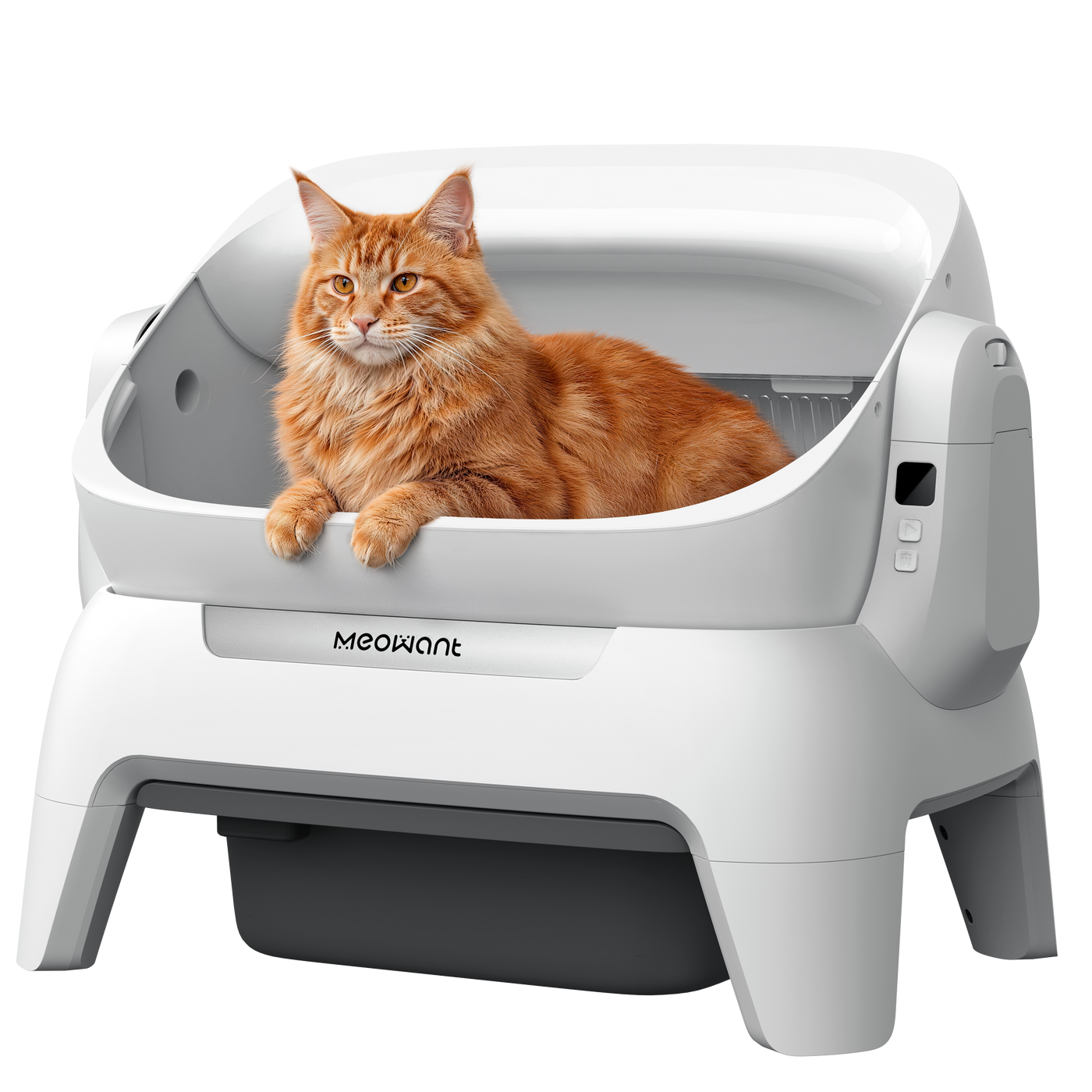
The first month with automatic cat litter boxes is usually a story of two reactions. The owner is delighted to stop scooping twice a day. The cat, meanwhile, has opinions. It may circle the new box, sniff the entrance, and walk away, or it may sit in the doorway and stare at the mechanism as though it has been personally insulted. Neither reaction is a sign the purchase was a mistake. It is a sign that the transition was rushed.
Most complaints about automatic boxes trace back to a small number of avoidable mistakes: choosing a unit too small for the cat, using the wrong litter, placing the box in a noisy spot, or expecting the machine to replace all maintenance. None of these are product failures. They are setup errors, and they are fixable. This guide focuses on the common missteps and the practical fixes, so the first month is a short adjustment rather than a long negotiation.
Mistake One: Buying for the Machine, Not the Cat
Shoppers compare apps, sensors, and cycle counts, then pick the box with the longest feature list. Cats compare something simpler: can I fit, can I turn, and does the floor feel solid when I step in? An automatic unit with a cramped interior forces a large cat to stand awkwardly, and cats that cannot find a comfortable stance often start eliminating elsewhere. Measure your cat and the interior space, and treat the entrance height as a hard constraint for older or smaller animals.
Multi-cat homes have an extra consideration. The usual rule of one box per cat, plus one, applies to automatic units as well, because a single machine that runs a cycle every few minutes can overwhelm a household of three. If you only have room for one automatic box, keep a manual backup in a separate location so no cat is ever locked out of a clean place to go.
Why “Quiet Enough” Is Not Quiet Enough
Manufacturers measure noise in ways that flatter the machine, and a number on a spec sheet does not tell you how a nervous cat will react. A motor that hums in the background is one thing; a rake that grinds against litter and scrapes the drum is another. Read owner reviews that mention skittish animals, and if possible listen to the unit before buying. Placement can help too, since a box in a hallway amplifies sound compared with one in a quieter corner.
Run the first few cycles yourself while your cat watches from a distance. Some owners find that leaving the machine off for the first two days, scooping manually, lets the cat accept the box before it ever moves. That small pause costs almost nothing and prevents the most common rejection pattern.
Mistake Two: Choosing Litter That Fights the Mechanism
Automatic cat litter boxes are built around clumping. The rake or drum lifts waste only if the litter holds together, so a crumbly or slow-clumping brand will scatter debris and leave the mechanism working harder than it should. Fine clumping clay and tofu-based litters are the safest choices for most designs. Crystal litter and large pellets often jam screens and are a common source of owner frustration.
Depth matters as much as type. Most units define a fill line, and going above it increases spillage and wear. Going below it leaves a thin layer that sticks to the liner and turns into a hard, smelly patch. Keep the litter level at the line and top it up every few days, because a machine cannot remove what it never lifts.
Transitioning Without a Standoff
The standard advice works: set the new unit beside the old box, leave the old one available, and add a scoop of used litter to the new interior so it carries a familiar scent. Keep both unplugged or off for a day or two if your cat is cautious. Do not move the old box into a strange room as a way to force the switch. Cats dislike change in location as much as change in equipment, and you want the new box to inherit a spot the cat already trusts.
Watch how your cat uses the old box. If it prefers a corner, an open side, or a particular height, arrange the new unit to match. Most automatic litter boxes allow some control over orientation, and a small alignment can make the difference between a cat that walks in and one that stalks past.
Mistake Three: Treating Automation as a Vacation From Maintenance
A self-sifting box removes the daily scoop, but it still needs attention. The waste drawer fills at a predictable rate based on how many cats you have, and once it is packed, odors escape and the mechanism struggles. Empty it before it reaches the top line, not after. Wipe the interior monthly with mild soap, clean the sensor windows so they keep detecting correctly, and replace carbon filters on schedule.
Parts such as liners, filters, and occasionally a rake or seal are wear items. A machine that is well supported by its maker is easier to keep running, and brands such as Meowant design for that reality, with drawers and interior trays that come apart without tools. Before you buy any model, confirm that replacement parts are available and that the warranty covers the motor, because a cheap box with no spares becomes a very expensive manual box.
Mistake Four: Ignoring the Room Around the Box
Automatic units need a little clearance: room for the cat to approach, space for the drawer to open, and a power outlet that does not create a trip hazard. They also need ventilation. A box tucked into a humid bathroom or a sealed closet will smell worse than one in a room with air movement, no matter how good the internal filter is. Place the unit on a hard, level surface, and add a mat in front of the entrance to catch tracking.
Keep the box away from food and water bowls and out of noisy paths. Cats want an exit route they can see, so avoid dead ends. If the only available spot puts the entrance facing a wall or a corner, rotate the unit so your cat can watch the room while it uses the box. This one adjustment resolves a surprising number of avoidance problems.
Reading the Signs of a Problem
If your cat stops using the automatic box, do not assume the machine is broken. Look for simpler causes first: a full drawer, a changed litter brand, a cycle that runs too soon after the cat leaves, or a new noise nearby. A sudden aversion after months of use often follows a vet visit, a household change, or a missed cleaning, and the solution is usually maintenance rather than a new purchase.
Keep a written note of when you empty the drawer and replace the filter. Patterns become obvious quickly, and a schedule is cheaper than a replacement unit. If the problem continues for more than a week, a visit to the vet is a sensible check, since litter box avoidance can signal a medical issue.
Mistake Five: Rushing the Decision
Pace yourself when you shop. Compare interior size, cycle noise, sensor behavior, drawer capacity, and parts availability rather than the number of app features. Features you never use are not worth paying for, and the simplest reliable machine is usually the one that lasts. A good automatic cat litter boxes option should feel boring after the first week, quietly doing its job while your routine returns to normal.
Buy from a seller with a clear return policy. Even careful shoppers occasionally meet a cat that refuses a particular design, and being able to return the unit without a fight is worth more than a small discount. If you can, keep the packaging until your cat has accepted the box, which is usually within two weeks.
The First Month Sets the Tone
Automatic cat litter boxes work best when treated as a partnership between machine and animal. Match the size to your cat, use a litter that clumps, introduce the unit slowly beside the old box, and keep up with drawer emptying, cleaning, and filter changes. Most of the problems new owners report come from skipping one of these steps, not from a defective product.
Do those things and the transition is short. The box runs quietly, the room smells fresher, and the daily chore disappears from your schedule. Shop for reliability and fit, plan for a gentle introduction, and the first month will be the last time you think about it.
